Gemini Flash Deepfake Panic: Why Google’s New AI Image Model Alarmed the Experts
Hello, tech enthusiasts and digital citizens!
The world of AI moves at a lightning pace, and when big players like Google drop a game-changer, the internet notices. The recent surge of concern around Google’s powerful new image generation capability—sometimes cryptically referred to as the “Nano Banana” model (a component of Gemini 2.5 Flash Image)—triggered a genuine Gemini Flash deepfake panic among security experts.
This excitement wasn’t all about photorealistic portraits and easy background swaps. It quickly turned into a serious ethical discussion about privacy, identity, and the future of digital trust.
Let’s break down what this powerful, yet compact, AI tool is and why its startling capabilities caused such a serious stir.
🍌 The Power Behind the Panic: What is ‘Nano Banana’?
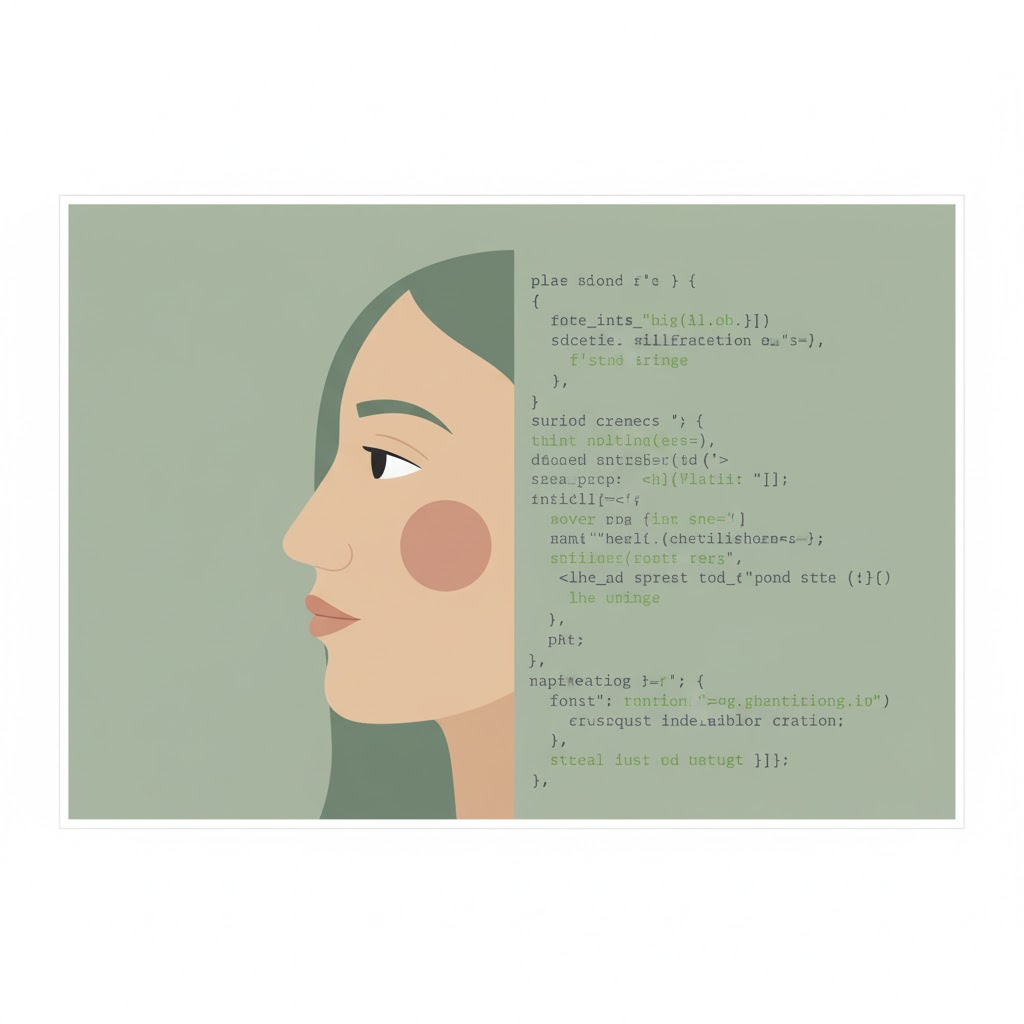
The “Nano Banana” model (officially part of the Gemini 2.5 Flash family) is a significant upgrade to Google’s generative AI toolset. Unlike earlier models that focused only on creating images from text prompts, this new system excels at image editing and persistence.
What makes it scary, and equally brilliant, is its ability to:
- Maintain Consistency: It can keep a person’s identity, features, and style consistent across multiple generated images or edits, making it perfect for creating a character avatar in many scenarios.
- Conversational Editing: Users can edit a photo multiple times using simple text prompts (e.g., “Change the suit to a saree,” then “Put her in the 90s Bollywood style”) without the subject fundamentally breaking or changing identity.
- Blending Realism: It can seamlessly blend real uploaded photos with fantasy elements, like putting your pet into a cartoon or transforming a selfie into a detailed 3D figurine.
This level of photorealistic control over a specific person’s likeness is what triggered the alarms.
🚨 The Deepfake and Privacy Firestorm
The core issue isn’t what the model can create, but how easily it can be directed to manipulate an existing identity.
1. The Mole Incident (Identity Extraction)
The initial widespread panic was fueled by a viral incident where a user uploaded a photo wearing a full-sleeved suit, which covered their arm. They asked Gemini to re-imagine the image. The resulting generated photo showed a mole on the subject’s arm that was not visible in the original input photo, but was actually present on the user in real life.
- The Fear: This unnerving accuracy suggested the AI might be extracting or inferring highly specific, hidden biometric data, raising fears that the model knew more about the user’s likeness than the input photo suggested.
- Google’s Response: Google clarified that the Nano Banana model was not trained on user data from Google Photos or other linked services, calling the detail a “coincidence.” However, the unsettling accuracy proved just how sophisticated the model’s understanding of human identity had become.
2. The Loophole for Deepfakes
While Google’s safety guardrails are designed to refuse text prompts asking for the creation of a recognizable public figure, the model’s image editing capabilities opened a dangerous loophole:
- The Technique: Users can upload a publicly available photo of a recognizable person (like a politician or celebrity) and use the editing feature to change their clothing, background, or action.
- The Result: The model, prioritizing the persistence of the uploaded face, essentially creates a convincing, new deepfake image that bypasses the initial text-to-image refusal rule.
This makes the creation of misleading or malicious content easier, raising serious concerns for security experts and authorities like the Australian eSafety Commission.
🛡️ The Accountability Measures
Google hasn’t ignored these concerns and has built in countermeasures, though experts remain cautious:
- SynthID Watermarking: All images created or edited by Gemini Flash Image include an invisible digital watermark called SynthID, along with a visible marker, to label the image as AI-generated.
- The Safety Gap: Unfortunately, the detection tools for SynthID are not widely accessible to the public, meaning everyday users often cannot verify an image’s authenticity. Furthermore, simple cropping or external editing can easily remove the visible watermark.
The lesson here is clear: as AI tools become more powerful, accessible, and photorealistic, the responsibility shifts heavily to the user to be vigilant. The “Nano Banana” showed us the future of creative editing, but also exposed the chilling reality that the distinction between reality and deepfake is now fuzzier and easier to manipulate than ever before.
What do you think? Are watermarks enough to ensure trust in the age of generative AI? Let us know in the comments below!
Final Take
If the issues of AI safety and digital identity manipulation interest you, then you’re on the right track! We have a number of deep dives into how tech is reshaping our world. For a closer look at another complex system that pushes boundaries, check out our piece on understanding Google’s core Gemini models. And if you’re interested in the accountability measures required to verify content, you might be interested in our earlier explainer on the basics of image watermarking and copyright in the digital age.